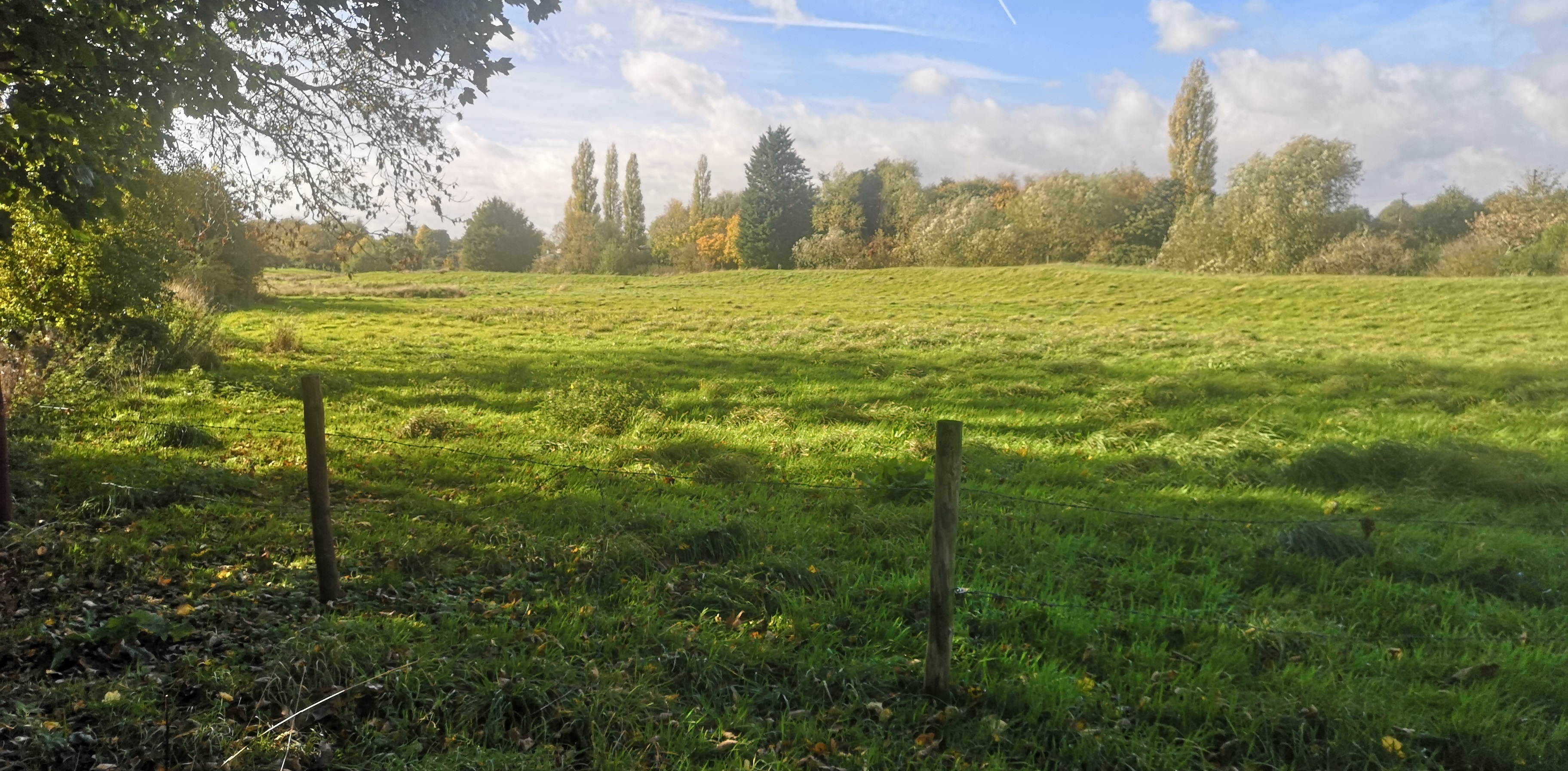
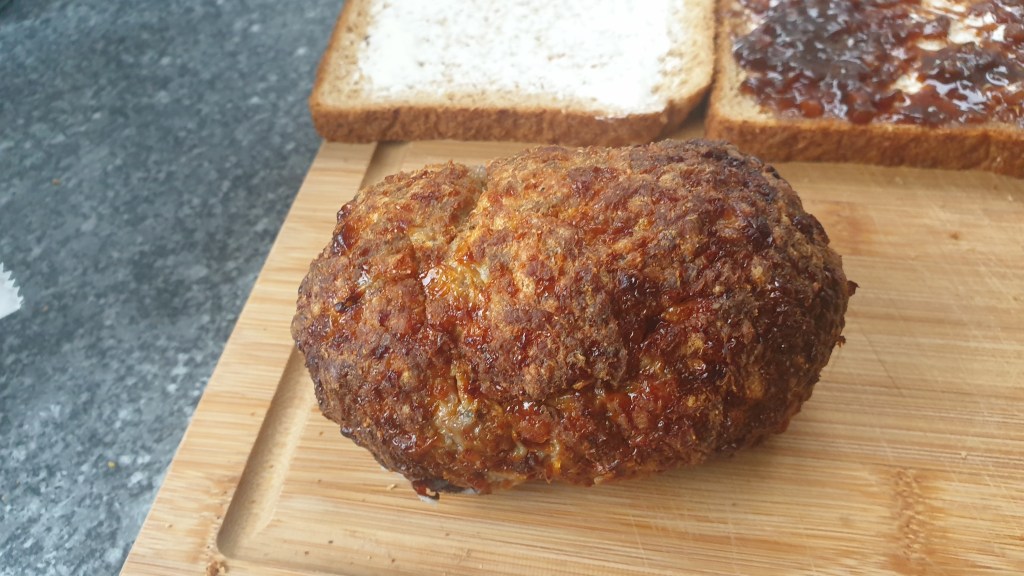
For want of anything better to do with a fortnight of barely deserved annual leave, this week I decided to go apple hunting. I’m nearly two years in to this project and I’m yet to make any progress towards recovering Lincolnshire’s lost appley heritage. The list of missing varieties has about 40 entries but there’s often not much to go on beyond a name, for example, Short’s Favourite: season unknown, no published description. Not ideal. What I’m really after is an apple that has a bit of a description and at least some indication of where it might be found.
Three likely candidates stand out. They are, in no particular order: Garret’s Golden Pippin, Old Man and Mrs Toogood herself. Mrs Toogood is tempting because she’s been seen relatively recently (1946) and there’s a decent description available: “A medium sized flat apple ribbed around the eye. Yellow skinned with red flush and stripes.” The only downside is that she was last seen in, and I quote, “Lincolnshire.” I need more to go on than a flimsy pointer in the direction of nigh on 3,000 square miles of wold and fenland. Lincolnshire is a big place.
Despite not enjoying the titular significance of Mrs Toogood, Garret’s and the Old Man have their own distinct advantages. Namely that the list includes a fairly detailed description and identifies who raised them. They’re also on what counts as a well-served bus route in these parts: upwards of 5 trips a day, even on Saturdays. Sundays, as ever in Lincolnshire, are for espousing teetotal methodism and then driving miles to the nearest source of beer and gammon.
Further research was initially hampered by my decision to become an internet refusenik in March. Fortunately, my rebellion only stretches as far as uninstalling the damnable device at home: I’m still more than happy to use it at my friends’ gaffs, almost as if my principles are a sham. Consequently, I shamelessly invite myself round to my stepbrother’s newly-kitchened mansion down the street for a bit of surfing and tea-drinking. To be honest, I could probably have done without it. Wikipedia ends up telling me little that I didn’t already know: no-one has any idea where Mrs Toogood was last seen and the Rowson brothers, who raised the other two varieties, lived in the village of West Torrington, near Wragby.
The one morsel of information the internet does offer me is that one of the two Rowson apples, Old Man, is for sale on the Bernwode Fruit Trees website and is therefore not quite as lost as I thought. That leaves me with Garrett’s Golden Pippin, “a small, round yellow dessert apple with acidic flesh,” last seen in 1883. Easy then.
Research done and “far-too-late-for-that” beauty sleep dispensed with, it was time to head off for the bus station and thence the wild Lincolnshire countryside. As well as a sturdy block of haslet sandwiches and a flask of coffee, I packed my trusty new laptop to record my thoughts during the expedition. Here are some of the thoughts I recorded: this is a stupid idea, I really should have brought a coat and this laptop is a lot heavier than a piece of paper. There were others but they were mostly concerned with how early in the day it becomes socially acceptable to eat lunch.
Once on board the outward bound Stagecoach, it turns out that the road to West Torrington is actually a bit past Wragby central. I could do with staying on for a couple of extra stops but I only bought a ticket for Wragby. What if the bus inspector climbs on board and discovers me effectively ticketless? Laziness battles briefly with conformity before I wimp out and walk the extra bit. It’s the moral choice.
Contrary to all expectations, I hit apple gold about a hundred yards from the West Torrington turning. A solitary tree boasting a handful of small green apples with an occasional bit of reddish blush. Too small to try but I grab one from the floor for proper identification when I get home. Garrett’s is yellow so this is a bit of a non-starter but still worth investigation. This is what the apple detecting business is all about.
If I’ve learnt anything over the past 18 months (debatable), it’s that where there’s one apple tree with a decent amount of fruit, chances are there’s more nearby and so it transpires here. There are about half a dozen trees in total along this brief stretch of road comprising what looks like two or maybe three varieties. One of the trees has a few apples that are a bit more russety. I scrounge a sample of each from the nearby ground and carefully rucksack them. I don’t want to take any from branches when they’re not ready. That’s just rude. I also manage to get a photo of some wasps chewing on a rotten apple. It looks like a metaphor for something, but I can’t work out what. To be honest, I just like wasps. They’re the underdog that fights back.
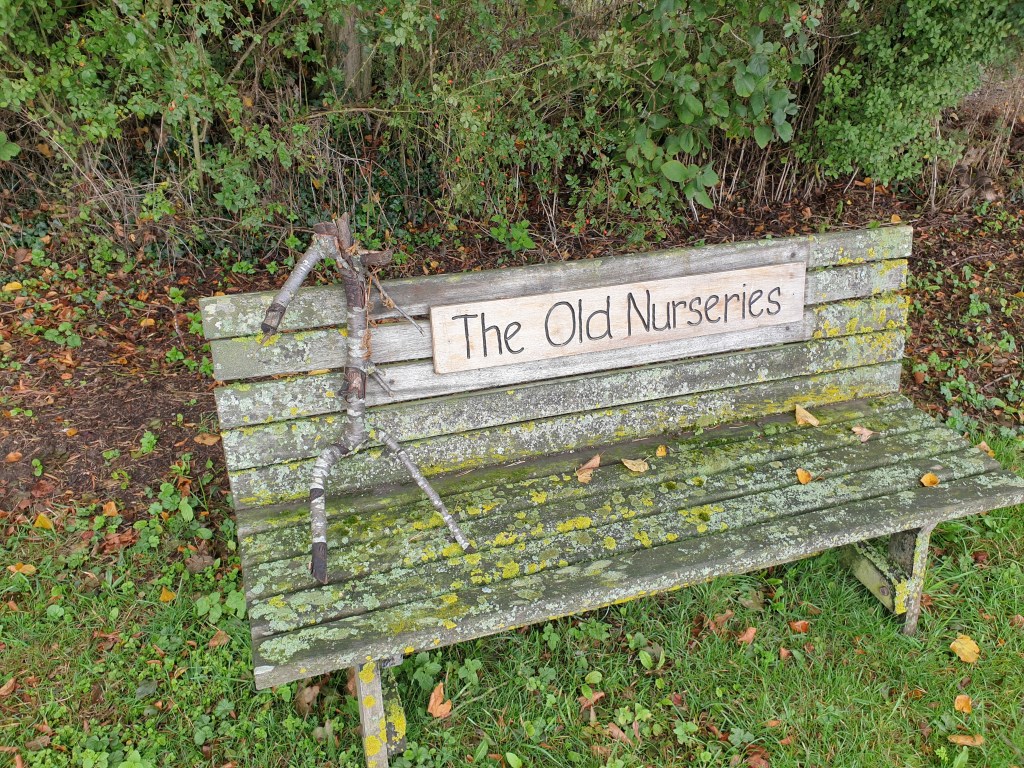
Five minutes later and I might have hit the real jackpot. To my left is a tree lined property calling itself The Old Nurseries. This must be the old Rowson place. Maybe I should trespass. What would Indiana Jones do? I’ll leave it for now and try sending them a letter. That won’t be weird at all.
Just past the house, I discover a tree that is laden with more apples than I’ve ever seen in my life. They are small, green and uniform in size. I think they’re probably crab apples and it’s definitely not a Golden Pippin but it’s a nice find, nonetheless. Crab apples make good jam, or so I’m told.
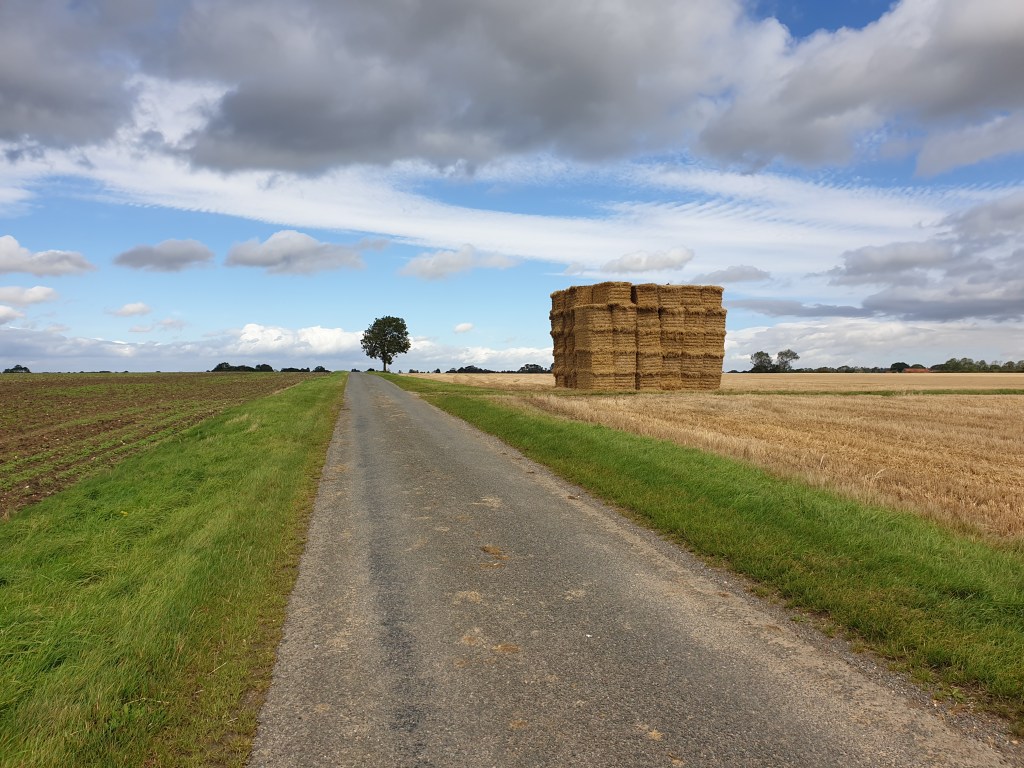
I walk on through the fields, past a haystack that reminds me of childhood weekends in Cumberworth, and eventually reach West Torrington proper. It feels like a bit of an anti-climax to be honest because I’m pretty certain I’ve already found the Rowson nursery. Still, it’s a nice old village and today it’s a bit of a hive of activity. Something’s going on that requires tree surgeons from Market Rasen with big craney things.
At the centre of the village is a nice old church with a secluded graveyard. Just beyond the chained gate, I find a looming Rowan tree and, beneath, the gravestones of Charles and Mary Ann Rowson. They died before the apples were raised so they’re probably parents or something. I toast them with a mug of coffee from my dented flask and then move on. No need to disturb their rest. In fact, this whole village has the air of people that like a bit of peace and quiet and I’m not about to ruin it for them. I’ve not been round the larger part of the village and there could be all kinds of wonders yet to be unearthed but I think I’ve found my nursery and I’ve got three apples to identify. That’ll do me for one day.


 The Appeal of Mrs Toogood
Leave a reply to Mike Cancel reply